
Complete Guide to Selling Your Home
Learn the steps to selling a house in LA’s competitive market. From getting your house ready to sell to final walkthrough, this guide shows you how to sell your home fast and for top dollar.

The Home Selling Process
Selling a house in Los Angeles requires strategy, preparation, and expert marketing. Properties that sit on the market too long lose value. Homes priced right from day one attract multiple offers and competitive bidding that drives up your final sale price.
The home selling process involves more than planting a “For Sale” sign in your yard. Professional listing photos, virtual tours, strategic pricing through comparative market analysis, and skilled negotiation separate listings that sell quickly from those that languish for months.
This guide walks you through every step, from preparing your property to navigating the final walkthrough. Whether you’re selling to upgrade, relocate, or downsize, understanding the process helps you avoid costly mistakes and maximize your proceeds.
Your Complete Home Selling Timeline
Decide If Now Is the Best Time to Sell a House
Market timing affects your sale price and how quickly you sell. Los Angeles sees peak activity in spring and summer when inventory is high but buyer demand is also strongest. Fall and winter have fewer competing listings but also fewer active buyers. Your personal timeline and financial goals matter more than trying to perfectly time the market.
Find the Right Real Estate Agent
For sale by owner (FSBO) transactions save on commission but typically net lower sale prices due to limited exposure and weak negotiation. Professional agents provide market expertise, pricing strategy, professional marketing, and buyer access that FSBO sellers can't match. The commission cost is offset by higher sale prices and faster closings.
Get a Comparative Market Analysis
A comparative market analysis (CMA) evaluates recent sales of similar homes in your neighborhood to determine accurate market value. Your agent analyzes square footage, condition, upgrades, and location to recommend a listing price that attracts buyers while maximizing your return.
Prepare Your Home for Listing
Getting your house ready to sell starts with curb appeal. First impressions happen in seconds when buyers pull up to your property. Fresh paint, landscaping, clean walkways, and an inviting entrance create immediate interest. Inside, declutter every room, deep clean, make minor repairs, and consider professional staging to help buyers visualize themselves living there.
Professional Photography and Virtual Tours
Listing photos determine whether buyers schedule showings. Professional real estate photography showcases your home's best features with proper lighting, angles, and editing. Virtual tours allow remote buyers to explore your property online, expanding your buyer pool beyond local searches. These investments pay for themselves through faster sales and higher offers.
Set Your Listing Price Strategically
Pricing too high scares away qualified buyers. Pricing too low leaves money on the table. The right price generates immediate interest, multiple showings, and competing offers. Your agent uses the CMA, current market conditions, and buyer demand to recommend a price that positions your home competitively.
Launch Your Marketing Campaign
Your home hits MLS and syndicates to Zillow, Realtor.com, Redfin, and other major platforms. Targeted social media advertising, email marketing to buyer networks, open houses, and direct outreach to agents with qualified buyers create maximum exposure. The first two weeks on the market are critical for generating momentum.
Review and Negotiate Offers
When offers arrive, your agent analyzes price, earnest money deposit (typically 1-3% of purchase price), contingencies, buyer financing strength, and closing timeline. Multiple offers give you leverage to negotiate better terms or request highest and best offers. Seller concessions like repair credits or closing cost contributions can make deals work when buyers need help.
Accept Offer, Open Escrow and Closing
After accepting an offer, the buyer deposits earnest money into escrow, beginning a 30–45 day closing period. You’ll sign required documents, complete inspections and the appraisal, and negotiate any repair or price adjustments. Once contingencies are cleared, the buyer conducts a final walkthrough before closing. On closing day, ownership transfers and you receive your sale proceeds.
Real Estate Photography Tips and Virtual Tour Strategies
Why Professional Photos Matter
Listing photos are the first thing buyers see online. Amateur smartphone photos make your home look cheap and unmaintained. Professional real estate photography creates emotional connections and drives showing requests.
Professional photographers use wide-angle lenses, proper lighting, HDR processing, and composition techniques to showcase your home’s best features. They shoot during optimal times of day when natural light enhances rooms. The investment typically costs $200-500 but increases buyer interest significantly.
Virtual Tours Expand Your Buyer Pool
Virtual tours allow out-of-state buyers, busy professionals, and remote shoppers to explore your property without physical visits. 3D walkthroughs, video tours, and drone footage create immersive experiences that generate serious inquiries. Homes with virtual tours receive more online views and qualified showing requests than listings without them.
Comprehensive Marketing Approach
How to sell a house fast requires multi-channel marketing exposure:
- MLS listing with detailed descriptions and professional photos
- Syndication to major real estate portals (Zillow, Realtor.com, Redfin)
- Social media advertising targeting buyers in your price range
- Email campaigns to agent networks with qualified buyers
- Open houses scheduled for maximum traffic
- Yard signage with QR codes linking to virtual tours
- Property flyers and brochures for showings
- Direct outreach to neighbors who may know potential buyers
How Comparative Market Analysis Determines Your List Price
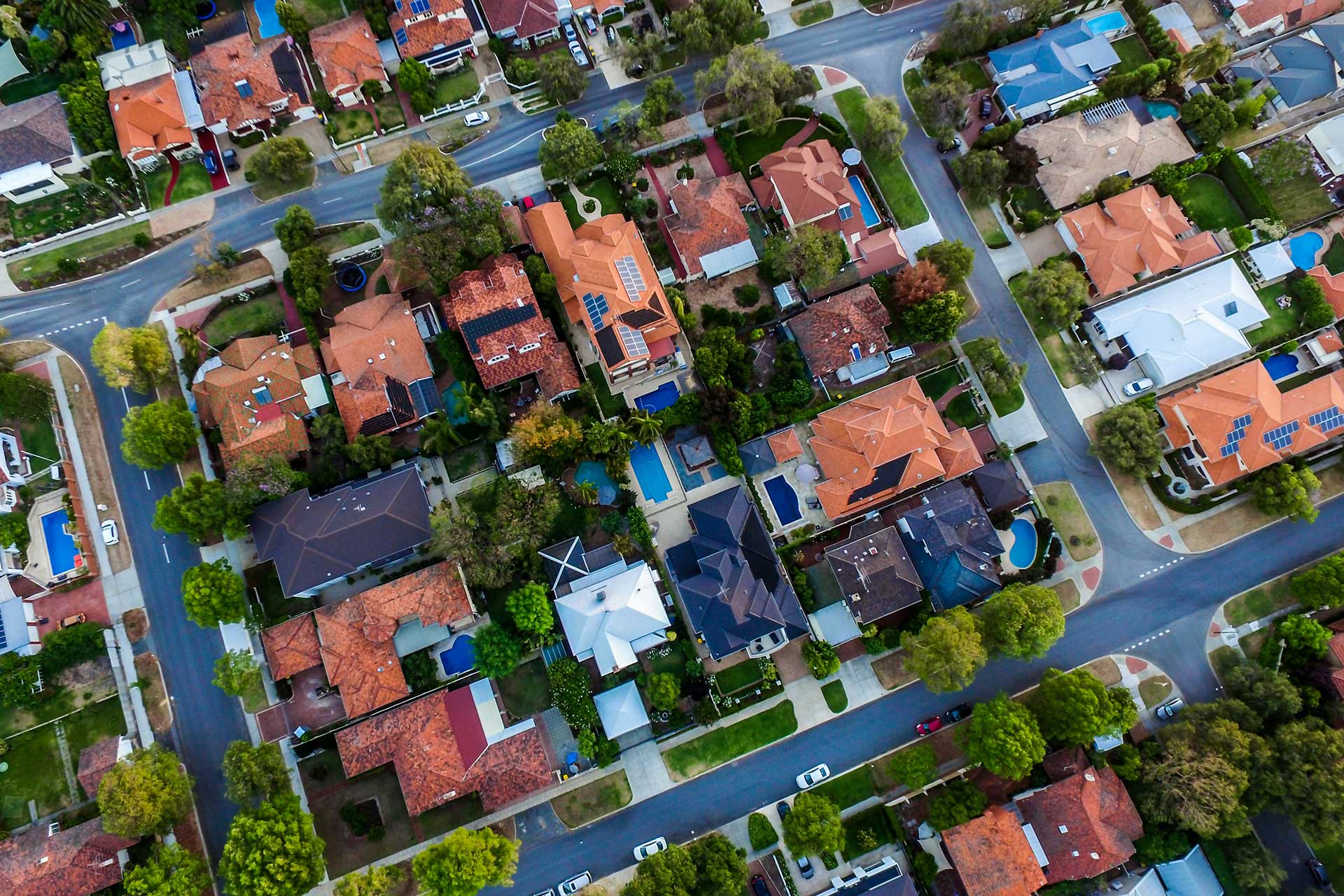
A comparative market analysis evaluates recently sold homes similar to yours in location, size, condition, and features. Your agent examines sales from the past 3-6 months to identify pricing trends and determine what buyers are actually paying in your neighborhood.
Understanding The CMA Process
The CMA (Comparative Market Analysis) process evaluates several factors to determine a property’s value. It reviews recent sales to see what buyers actually paid, active and pending listings to gauge competition and demand, and expired listings to identify overpriced homes. It also considers days on market, price per square foot trends, and seasonal shifts that influence buyer activity and pricing.
Pricing to Generate Multiple Offers
Strategic pricing slightly below market value can trigger bidding wars that drive your final sale price above asking. This approach works in competitive markets where buyer demand exceeds inventory. Pricing at market value attracts qualified buyers and generates steady interest. Pricing above market value only works for unique properties with features buyers can’t find elsewhere.
Adjusting Price If Needed
If your home doesn’t generate showings within the first two weeks, price is usually the issue. Buyers compare dozens of properties online and quickly identify overpriced listings. Strategic price reductions signal to the market that you’re serious about selling and can reignite interest.
Evaluating Buyer Offers and Seller Concessions
Every offer includes several components beyond just price:
Earnest Money Deposit
Cash (typically 1-3% of purchase price) the buyer deposits to show they’re serious. You keep this if the buyer backs out without valid contingency reasons.
Financing Terms
How the buyer plans to pay (cash, conventional loan, FHA, VA). Cash offers close faster with less risk. Financed offers depend on lender approval and appraisal.
Contingencies
Conditions that must be met for the sale to proceed. Common contingencies include inspection, appraisal, and financing. Fewer contingencies mean stronger offers.
Closing Timeline
How quickly the buyer can close (typically 30-45 days). Flexible closing dates that match your timeline add value beyond price.
Seller Concessions
Requests for you to pay some of the buyer’s closing costs or make specific repairs. Concessions reduce your net proceeds but can make deals work.
Personal Property
Any items the buyer wants included (appliances, window treatments, furniture).
Comparing Multiple Offers
In competitive situations with multiple offers, the highest price isn’t always the best deal. Consider:
- Buyer's financial strength and loan pre-approval
- Size of earnest money deposit (larger deposits show commitment)
- Number and type of contingencies (fewer is better)
- Appraisal gap coverage (buyer agrees to pay extra if appraisal comes in low)
- Flexibility on closing date
- Waived inspection or shortened inspection periods
- Personal letters from buyers (emotional appeal)
Negotiating Inspection Requests
After the buyer’s inspection, expect requests for repairs or credits. You have three options: make the requested repairs, offer a credit at closing, or refuse and risk the buyer walking away. Normal wear and tear doesn’t require fixes. Major issues like roof problems, foundation concerns, or safety hazards need addressing. Your agent advises which requests are reasonable versus buyer overreach.
Capital Gains Tax on Home Sale and Net Proceeds
If you’ve lived in your home as your primary residence for at least two of the past five years, you can exclude up to $250,000 in gains ($500,000 for married couples filing jointly) from capital gains tax. Gains beyond these amounts face federal capital gains tax rates of 0%, 15%, or 20% depending on your income level.
Calculate your gain by subtracting your adjusted cost basis (purchase price plus qualifying improvements) from your sale price. Major renovations, additions, and significant upgrades increase your cost basis and reduce taxable gains.
Estimating Your Net Proceeds
Your net proceeds equal the sale price minus all costs:
- Existing mortgage payoff
- Real estate agent commissions (typically 5-6% of sale price)
- Escrow and title fees (roughly 1% of sale price)
- Transfer taxes and recording fees
- Prorated property taxes
- HOA transfer fees and outstanding dues
- Repair credits or seller concessions
- Any other liens or judgments against the property
1031 Exchange for Investment Properties
If you’re selling an investment property, a 1031 exchange allows you to defer capital gains taxes by reinvesting proceeds into another investment property. Strict timelines and rules apply, requiring guidance from a qualified intermediary and tax professional.
From Accepted Offer to Final Walkthrough
Once you accept an offer, escrow opens and the 30-45 day closing timeline begins. The escrow company acts as a neutral third party holding funds and documents until all conditions are met.
Week 1-2: Disclosures and Inspection
You provide required seller disclosures about the property's condition, known issues, and any material facts affecting value. The buyer schedules home inspection, and you make the property available for access. Review the inspection report and negotiate any repair requests.
Week 2-3: Appraisal and Title Work
The buyer's lender orders an appraisal to verify the home's value supports the loan amount. The title company researches property ownership history and identifies any liens or claims that need resolution. You'll need to clear any title issues before closing.
Week 3-4: Loan Processing and Final Approval
The buyer finalizes their mortgage, submits final documentation, and receives loan approval. You prepare to move out and make any agreed-upon repairs.
Week 4+: Final Walkthrough and Closing
The buyer conducts a final walkthrough 24-48 hours before closing to verify the property's condition matches the contract and agreed repairs were completed. Remove all personal belongings unless specifically included in the sale agreement. On closing day, you sign documents transferring ownership, pay off your mortgage, and receive your net proceeds via wire transfer or cashier's check. The buyer gets the keys and officially takes possession
Tips for Selling Your Home Without Costly Errors
Neglecting Repairs and Presentation
Buyers notice every flaw during showings. Deferred maintenance, clutter, and poor presentation cost you thousands in reduced offers. Invest in preparation upfront to maximize your sale price.
Being Present During Showings
Sellers who hover during showings make buyers uncomfortable and prevent honest conversations with their agents. Leave the property during all showings and let your agent handle buyer questions.
Refusing Reasonable Repair Requests
Digging in on every inspection issue makes buyers question what else you’re hiding. Address legitimate concerns and negotiate fairly to keep deals moving forward.
Poor Photography and Marketing
Amateur listing photos and minimal marketing exposure limit your buyer pool. Professional presentation generates more showings and better offers.
Ignoring Curb Appeal
Buyers form first impressions before stepping inside. Neglected exteriors reduce showing requests and lower perceived value.
Not Disclosing Known Issues
Hiding problems creates legal liability and can void sales after closing. Disclose everything and let buyers make informed decisions.
Overpricing Your Home
Emotional attachment makes sellers overvalue their properties. Buyers compare dozens of listings and quickly identify overpriced homes. Starting too high means sitting on the market while comparable homes sell, eventually forcing price reductions that signal desperation.
Should You Sell Your Home Yourself?
The FSBO Reality
For sale by owner transactions appeal to sellers wanting to save agent commissions, but the reality often disappoints. FSBO homes typically sell for 5-10% less than agent-listed properties according to industry data. Limited marketing exposure, weak negotiation skills, and legal compliance risks offset any commission savings.
What You Handle as FSBO
- Pricing strategy and market analysis
- Professional photography and marketing materials
- MLS access (requires paying for FSBO listing services)
- Scheduling and conducting showings
- Pre-screening buyers for financial qualification
- Negotiating offers and counteroffers
- Navigating inspection and appraisal issues
- Managing escrow and closing documentation
- Legal compliance with disclosure requirements
The Agent Advantage
- Access to multiple buyer sources and agent networks
- Pricing expertise through comparative market analysis
- Professional marketing including photography and virtual tours
- Negotiation skills that maximize your sale price
- Transaction management handling all paperwork
- Legal protection through proper disclosures and contracts
- Time savings by handling showings and communications
When FSBO Makes Sense
For sale by owner works best when selling to family members, friends, or buyers you already know. These transactions skip the marketing phase and reduce negotiation complexity. FSBO also works in extremely hot markets where any listing sells quickly regardless of representation.
Home Selling Questions Answered
When is the best time to sell a house in Los Angeles?
Spring and early summer (March through June) see peak buyer activity and highest sale prices in Los Angeles. More inventory means more competition from other sellers, but buyer demand is strongest. Fall and winter have fewer listings competing with yours but also fewer active buyers. Your personal timeline and financial goals matter more than trying to perfectly time seasonal patterns. The best time to sell is when you're ready and the market supports your price expectations.
How long does it take to sell a house?
The average home in Los Angeles sells in 30-60 days from listing to accepted offer, though this varies by price range, condition, and location. Well-priced homes in desirable neighborhoods can receive multiple offers within days. Overpriced or poorly presented properties may sit for months. Once you accept an offer, closing takes an additional 30-45 days. Plan for 2-4 months total from deciding to sell through final closing.
How much will I pay in closing costs as a seller?
Seller closing costs typically run 6-10% of the sale price in Los Angeles. This includes real estate agent commissions (5-6%), escrow fees (roughly 1%), title insurance, transfer taxes, prorated property taxes, and any agreed-upon seller concessions. On a $800,000 home, expect $48,000-$80,000 in total costs. Request a net sheet from your agent showing estimated proceeds before listing.
What repairs should I make before selling?
Focus on repairs that prevent buyer objections during inspections rather than major renovations. Fix obvious issues like leaky faucets, squeaky doors, cracked tiles, and broken fixtures. Address safety concerns like faulty electrical outlets or loose railings. Refresh paint, improve curb appeal, and deep clean everything. Major renovations rarely return full investment unless your home is significantly below neighborhood standards.
Do I need to stage my home?
Professional staging helps buyers visualize living in your space and typically returns 5-15% higher sale prices. At minimum, declutter, remove personal items, and arrange furniture to maximize space and flow. Vacant homes benefit most from professional staging, which costs $2,000-$5,000 for a month. Occupied homes may only need staging consultation ($200-$500) with recommendations for rearranging existing furniture.
What are seller concessions and should I offer them?
Seller concessions are contributions toward the buyer's closing costs, typically 1-3% of the purchase price. Concessions help buyers who have limited cash for closing costs complete the purchase. In competitive markets with multiple offers, concessions aren't necessary. In slower markets, offering concessions can attract buyers and close deals faster. Concessions reduce your net proceeds but may be worthwhile to secure a sale.
Can I sell my house if I owe more than it's worth?
If you owe more than your home's current value (underwater or upside-down mortgage), you'll need lender approval for a short sale. Short sales require proving financial hardship and accepting less than the mortgage balance. The process takes months and damages your credit. Alternatives include renting the property until values recover, loan modification, or bringing cash to closing to cover the difference.
How do I handle multiple offers?
Multiple offers give you negotiating leverage to increase price and improve terms. Your agent requests "highest and best" offers by a deadline, creating competition among buyers. Evaluate offers based on price, financing strength, contingencies, and closing timeline. The highest price doesn't always represent the best deal if the buyer has weak financing or excessive contingencies. Choose the offer most likely to close successfully.
What is an appraisal contingency and how does it affect me?
An appraisal contingency allows buyers to renegotiate or cancel if the property appraises for less than the purchase price. If the appraisal comes in low, you can reduce the price to match the appraisal, refuse and risk losing the buyer, or negotiate somewhere in the middle. Some buyers waive appraisal contingencies or agree to cover appraisal gaps with cash, making their offers stronger.
Real Results from Home Sellers
Ready to Sell Your Los Angeles Home?
You’ve learned the steps to selling a house, discovered how to prepare your property for maximum value, and understood what it takes to navigate the home selling process successfully. Now it’s time to take the next step. I’ve helped dozens of Los Angeles homeowners sell their properties fast and for top dollar. My comprehensive marketing approach, strategic pricing, and skilled negotiation consistently deliver results that exceed expectations.
No obligations. No pressure. Just expert guidance to help you sell your home for the best possible price.